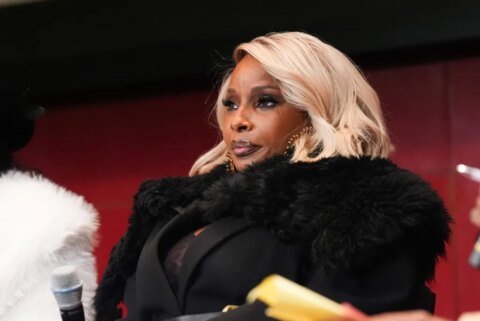


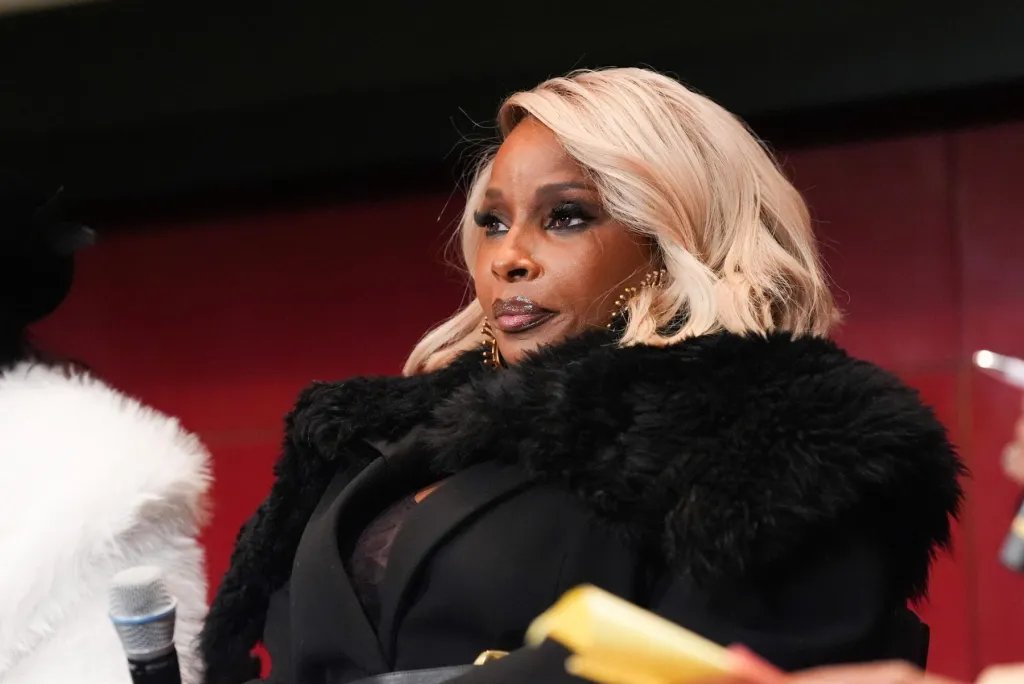

Generative AI music platform Suno has pulled a controversial ad starring Mary J. Blige after learning that the legendary singer hadn’t actually approved it.
In a statement shared with Billboard on Thursday (Sept. 3), a spokesperson for Suno said, “We entered into a business deal with someone who presented themselves as Ms. Blige’s official representative.
“As soon as we learned this was not the case, and that Ms. Blige was uncomfortable, we terminated the advertising campaign,” it continued.
The spokesperson also said that Blige is “an icon who we all deeply admire” who “hasn’t stopped innovating.” “That’s why we wanted to work with her,” they added.
Billboard has reached out to Blige’s reps for comment.
The development comes after the nine-time Grammy winner appeared in a video posted by Suno that showed her listening as someone who appears to be a producer demonstrates the AI system’s capabilities. “I just process, because I don’t know what the hell y’all talking about,” she says in the clip posted at the end of August. “So I like to learn what you talking about. Now, it’s like, ‘Ah, OK, this is pretty dope,’ if we could play with it more and learn more of everything else going on. It’s pretty dope.”
Her apparent participation in the ad led to immediate backlash from fans and think pieces criticizing her choice to seemingly endorse Suno, one of the most polarizing companies in the music industry today. (See: Billboard‘s feature in March on the company titled “Is Suno the Music Industry’s Biggest Nightmare — or Greatest Hope?”)
In the past three days alone, Billboard has reported on three separate lawsuits against Suno concerning alleged infringement on artist rights. Jason Isbell filed a class action suit at the end of August accusing Suno of violating artists’ name, image and likeness rights, while independent Gerencia 360 Music claimed in a recent legal complaint that Suno had illegally trained its AI model using music owned by the label.
Suno, however, has always maintained that its training process is protected by copyright law’s fair use principle, which allows unlicensed works to be reused for transformative purposes.