



Plans by the U.K. government to allow artificial intelligence firms to use music without the copyright holder’s permission have been abandoned.
Billed as an opt-out approach, the government had looked to pass legislation that would put the onus on copyright holders to explicitly indicate when they didn’t want their work to be used by AI firms when training their models.
On Wednesday (March 18), however, Liz Kendall, the U.K.’s minister for innovation and technology, said that the plans had been “overwhelmingly rejected by the vast majority of the creative industries” and that “the government no longer has a preferred option.”
The government said it plans to launch a new consultation to address the topic and find a workable path forward that both protects copyright holders and encourages innovation.
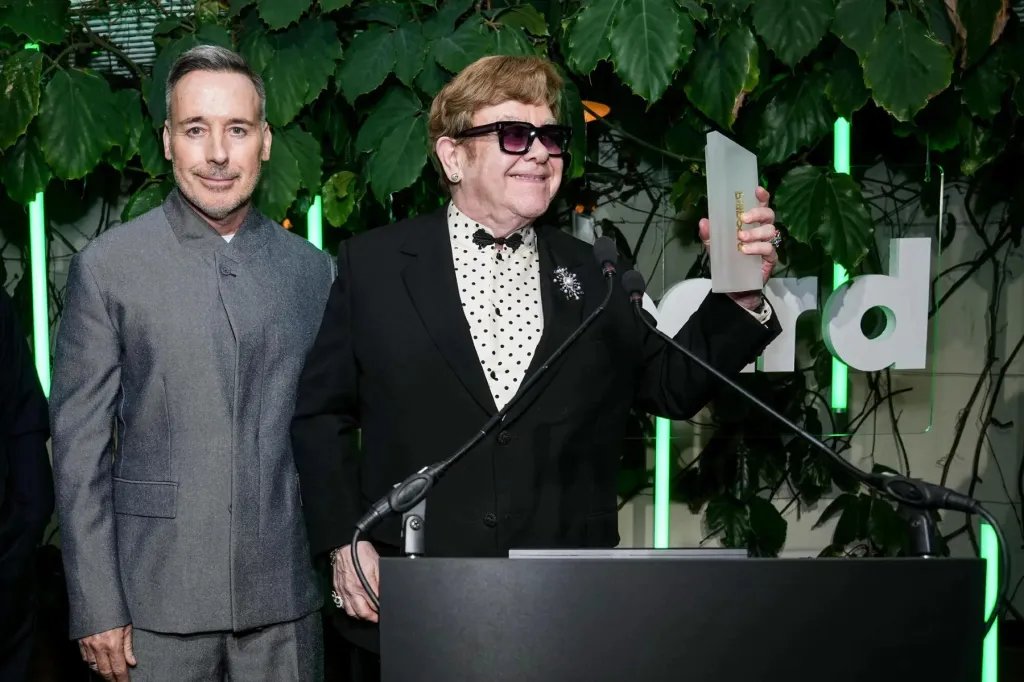
Music industry figures have reacted positively to the decision, with many having vehemently opposed the opt-out approach over the last year. At Billboard’s Global Power Players event in June 2025, Sir Elton John spoke passionately on the subject, and his sentiments were echoed by artists including Paul McCartney and Dua Lipa.
John said in his speech: “We are not against Labour and we want a solution. We want to bring all parties together in a way that is transparent and fair and allows artists to maintain control of their work.” He concluded: “We will not back down and we will not go away quietly. This is just the beginning.”
Last year, a number of high-profile artists, including Damon Albarn and Kate Bush, were among the 1,000 names that contributed to Is This What We Want?, a silent album that highlighted their opposition to the plans.
Tom Kiehl, chief executive of U.K. Music, called the opt-out plans “deeply damaging” and said the Labour government should “rule out resurrecting this plan throughout their period in office.”
He added that, “The 220,000 people in our sector which generates £8 billion ($10.75 billion) for the UK economy should be entitled to work and earn a living without the constant fear that the fruits of their labour could effectively be taken by AI firms without payment or permission.”
Dr. Jo Twist OBE, the chief executive of the BPI, highlighted challenges seen in markets like the European Union, which has adopted the opt-out approach. “Other markets have shown that opt-out schemes introduce more legal uncertainty, are unworkable in practice, and are woefully ineffective in protecting creative work from misuse and theft,” she said.