

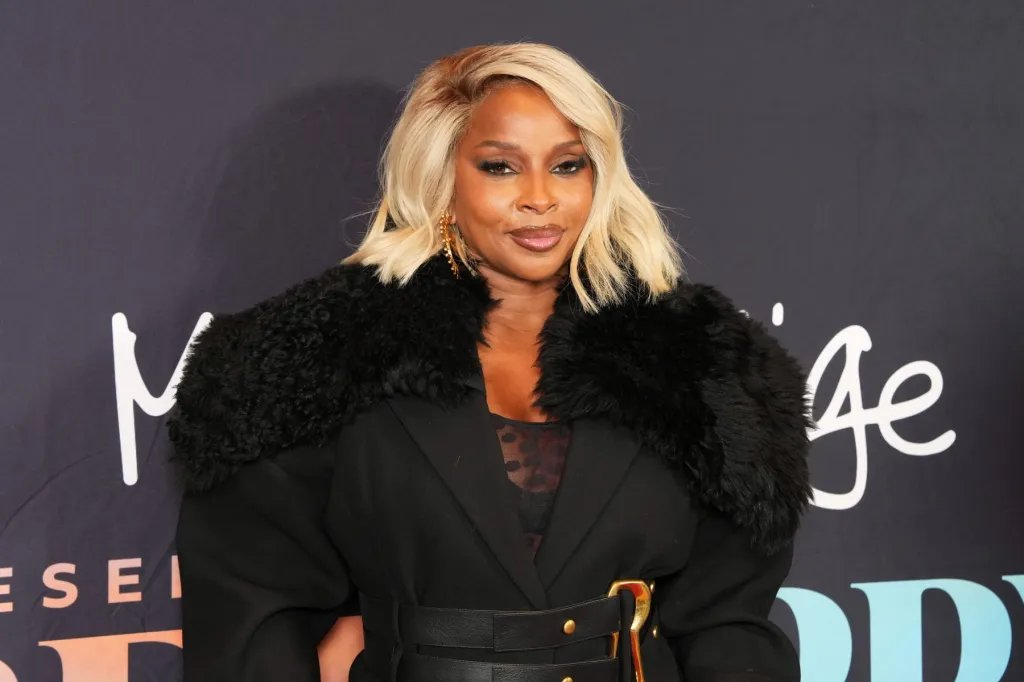

THE BIG STORY: Mary J. Blige won a court ruling this week that was more than 50 years in the making —and one that offers a history lesson on both hip-hop and music law.
When Blige released her song “Real Love” in 1992, it featured elements of “Impeach the President” by The Honey Drippers — a 1973 protest funk song that was widely sampled in the early days of rap and has made appearances in tracks by Run-DMC, Dr. Dre, LL Cool J and, more recently, Doja Cat. “Impeach” was so ubiquitous that Blige seems to have used it indirectly, via a direct sample of a different 1987 hip-hop track that had sampled it.
Decades later, in 2024, a label called Tuff City Records, which owns the famous sample, took UMG to court over it. And the lawsuit revealed that a strange situation had played out behind the scenes: Apparently, UMG’s recorded music unit quickly settled and agreed to pay for the sample, but its publishing unit refused to do so, choosing instead to fight it out in court over whether it also had to pay.
That weird situation highlights an important distinction in music law: While courts have long ruled that direct sampling of a copyrighted sound recording requires a license for any use no matter how insignificant, the rules for interpolating a copyrighted musical composition are far less clear-cut.
Case in point: Despite the use of the sample of the recording, a judge sided with UMG last year on the composition, dismissing Tuff City’s case on the grounds that “the songs do not sound the same.” And in a new ruling this week, a federal appeals court affirmed that decision, ruling that Blige’s song was simply not similar enough to The Honey Drippers’ to count as infringement of the underlying music.
What about that history lesson? Well, back in 1991, Tuff City filed another case over “Impeach the President,” that time suing Sony Music for allegedly featuring it on two LL Cool J tracks. At the time, uncleared sampling was widely accepted in hip-hop, but a 1992 New York Times article warned that Tuff City’s lawsuit could change all that.
The case settled, but the warnings about sampling eventually proved accurate. Federal courts later gradually ruled that any amount of sampling of sound recordings counts as copyright infringement, including a famous ruling that sternly warned: “Get a license or do not sample.” And as a result, labels and artists today clear almost all direct samples and remove them if they cannot.
That abundance of caution has often led to also paying for the underlying composition to the same track — precisely what UMG refused to do here. Will the “Real Love” ruling embolden other artists and labels to do the same?
Perhaps the history on that one is still being written.
You’re reading Legal Beat, a weekly newsletter about music law from Billboard Pro, offering you a one-stop cheat sheet of big new cases, important rulings and all the fun stuff in between. To get the newsletter in your inbox every Tuesday, subscribe here, or follow me on Instagram and X for daily legal updates on the music business.
Other top stories this week…
— A Spanish court launched an investigation into singer Julio Iglesias over accusations that he sexually and physically abused two female employees at his Caribbean residences.
— Members of the Americana band The Mavericks said they were “saddened” by a lawsuit filed by the widow of late frontman Raul Malo seeking to ban them from using the band’s name.
— Speaking of samples: Travis Scott, Don Toliver and others members of JACKBOYS were hit with a copyright lawsuit over an alleged sample in their 2019 track “What To Do?”
— A grand jury declined to bring charges against Boosie Badazz over an alleged violent altercation at a Houston nightclub this year — though the rapper’s legal troubles are not yet over.
— Summer Walker fired back with a countersuit against Interscope Records amid their broader fight over her record deal, accusing the UMG label of misusing her intellectual property.
— 50 Cent won a ruling dismissing a lawsuit that claimed he threatened and harassed a former exec at his company, but she’s likely going to refile the case and continue the fight.
— Five siblings who say they were molested by Michael Jackson as children brought a malpractice lawsuit against their ex-lawyer Bryan Freedman, claiming he duped them into signing a “hush-money agreement.”
— After legal pressure from UMG and Sony Music, DistroKid handed over data about how many AI-generated songs it uploads to streaming services — info the labels want for their fight with Suno.
— Brandon Casey of the R&B group Jagged Edge was hit with a lawsuit claiming he sexually assaulted a young girl over the course of several years in the early 2000s, accusations he quickly denied.