


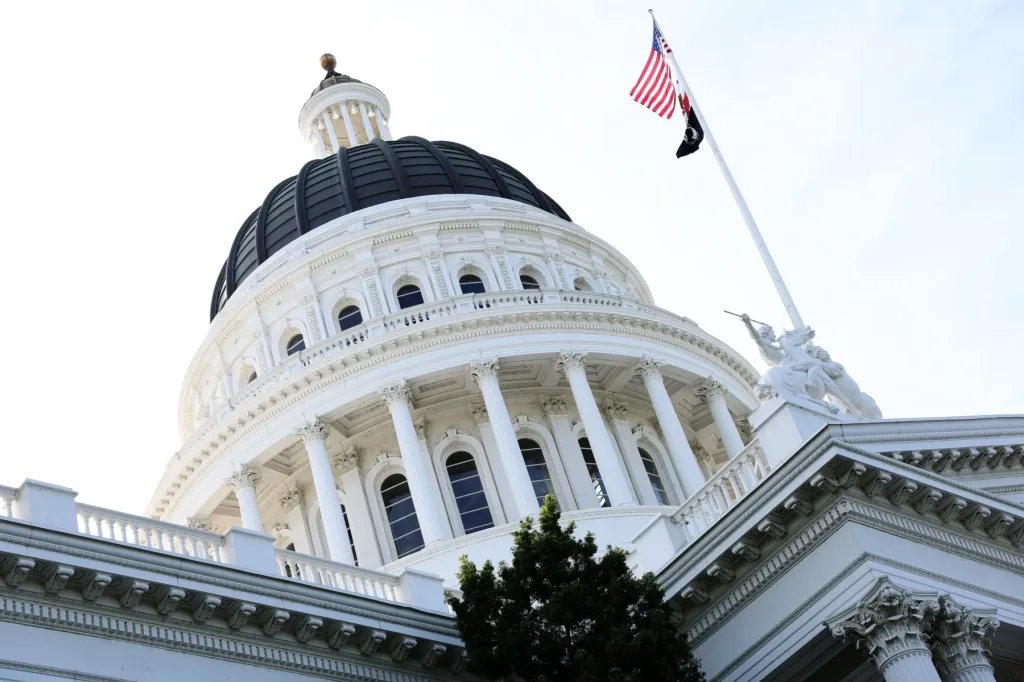

California’s most comprehensive ticketing bill to date, AB 1720, failed to make its way out of the state’s Senate Appropriations Committee on Thursday (Aug. 13). The bill, originally introduced by state assembly member Matt Haney in February, would have made it illegal to resell a concert, theater, comedy or other live entertainment ticket (sports were not included) at a price higher than face value (the cost of the ticket plus fees from the primary ticketing source) plus 10% for shows taking place in California.
“AB 1720 would have helped remove the incentives that fuel predatory ticket resale while still allowing someone who can’t attend a show to resell their ticket and recover their costs,” Haney said in a statement provided to Billboard. “I’m disappointed the bill did not advance, but this outcome doesn’t change the reality that fans, artists, and venues are losing out while middlemen extract more and more profit.”
Haney continued: “It’s not surprising that a bill designed to put power back in the hands of fans, artists, and venues faced opposition from an industry that profits from speculation and artificial scarcity.”
The California bill faced aggressive lobbying efforts from secondary ticketing companies like StubHub, which spent $3.4 million opposing the legislation, according to publicly available records. (The Hollywood Reporter was first to report on the lobbying sum.)
“Started in California 26 years ago, StubHub exists to give fans access to live events on their own terms through a secure, verified marketplace — including fans who couldn’t get tickets during the original on-sale, or who want the option of grabbing a great deal as prices shift closer to the event,” a StubHub spokesperson said in a statement to Billboard. “We believe that more choice, flexibility, and access put fans first and help everyone get into the events they love.”
The bill was backed by the nationwide National Independent Venue Association (NIVA), the local NIVA CA chapter and musician advocacy group Music Artists Coalition.
Since AB 1720’s introduction in February, the language of the bill was stripped back to only include a resale ticketing cap for independent venues with a capacity of 3,000 or fewer. With those amendments, the bill would no longer have impacted larger arena and stadium shows that fans have felt priced out of in recent years.
“Anyone who has tried to buy tickets to a concert, comedy show or live event knows the frustration. Tickets go on sale and, within moments, professional brokers and bots buy up large blocks of inventory, only to relist them at two, three, sometimes ten times the original price,” Haney’s statement continued. “By the time real fans reach the front of the line, affordable tickets are already gone. And none of that markup supports the people who actually create live events. It doesn’t go to artists, independent venues, touring crews, workers, or the staff who make these experiences possible. Those profits go to middlemen whose business model depends on scarcity and speculation.”
Haney continued, “This isn’t a fringe idea, and it isn’t partisan. From Kid Rock to Noah Kahan, artists across genres have called for solutions to runaway ticket resale practices. Independent venues have spoken out. Fans have demanded change. Several states and countries have already adopted resale caps because they recognize the urgency of this issue.”
“I’m going to keep working with the coalition of fans, artists, and venues who recognize the urgency of this issue and continue pushing for solutions that put tickets back in the hands of the people they were intended for,” he added.
Ticket resale cap bills have been popping up all over the country. In May, Vermont governor Phil Scott signed a resale cap bill into law, making it the second state in the country to pass such legislation after Maine. Most recently, Massachusetts Governor Maura Healey introduced An Act Relative to Closing the Great Divide between Ticket Prices and Affordability, or The Great Divide Act, named after Noah Kahan’s Billboard 200 No. 1 album The Great Divide. The proposed bill would cap resale prices of concert tickets at 110% of the original ticket’s face value. It would also limit the service fees and charges that can be imposed by secondary ticketing platforms on tickets for both sporting and non-sporting events to no more than 10% of the total price.