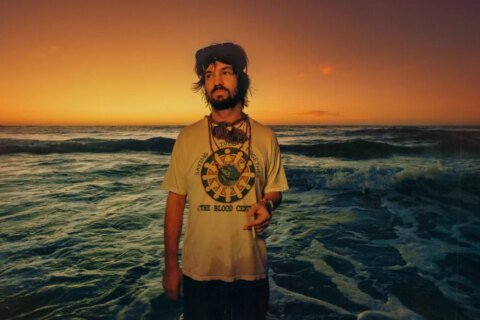


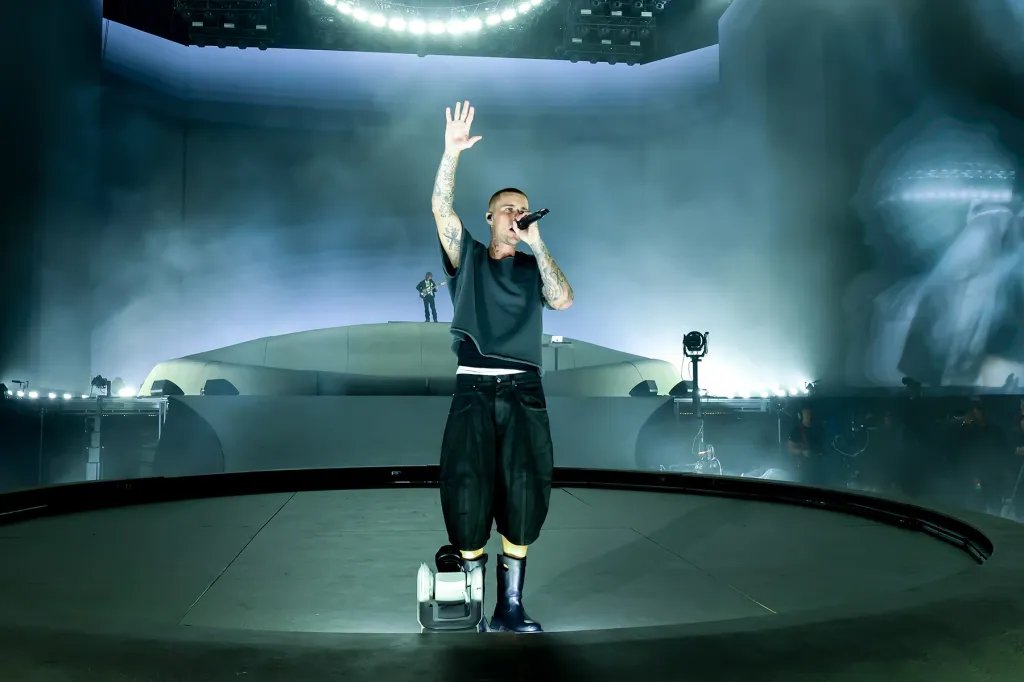

Fan and media speculation that Justin Bieber played mostly newer songs during his headlining set at Coachella on Saturday (April 11) due to the $203 million sale of his catalog are misguided, music industry insiders say.
In 2023, the pop superstar sold 100% of his publishing rights and his artist royalties from his master recordings and neighboring rights to some 290 songs released before Dec. 31, 2021 — from “Baby” to “Love Yourself” — to Hipgnosis Songs Capital, now called Recognition Music Rights. During his Coachella performance over the weekend, Bieber briefly performed some of those songs. However, he spent most of the first 50 minutes of his set performing songs from his 2025 albums SWAG and SWAG II on a stage featuring just the artist and a laptop. The Daily Mail on Monday (April 13) ran a story that said the “real reason Justin Bieber couldn’t play his old music in full … could be” that he sold his back catalog.
“That’s nonsense,” a source familiar with the terms of Bieber’s catalog deal tells Billboard. “There are no restrictions on what he can or can’t do in live performance.”
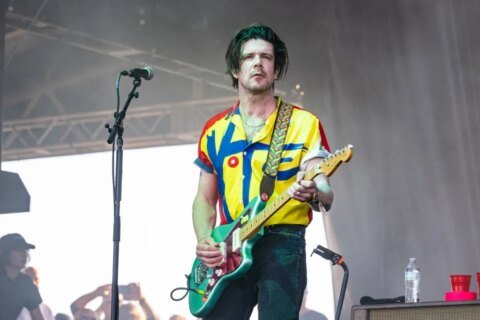
Bieber performed around a dozen of the songs that were included in the 2023 transaction at Coachella, and Brooklyn rock band Geese performed their own cover of Bieber’s “Baby” at the festival hours before Bieber’s performance, the source pointed out. The individual spoke on condition of anonymity because they did not have permission to discuss undisclosed details of the transaction.
Representatives for Bieber did not respond to requests for comment.
Pop stars are frequently the targets of online chatter and speculation, especially when it comes to their financial lives — and particularly in light of the recent slew of music catalog sales by major artists, which have increased in regularity in recent years. In 2023, for example, internet rumors circulated that Taylor Swift passed up playing the Super Bowl Halftime Show due to a conflict with the owners of her catalog.
Swift’s masters were famously sold to Scooter Braun, Bieber’s former manager, whose Ithaca Holdings purchased Swift’s old record label Big Machine. Swift later re-recorded several of those first six albums as highly successful Taylor’s Version editions in an attempt to redirect fans playing her music to her songs, rather than those to which she did not own the rights.
People speculated that Swift repeatedly declined to play the Super Bowl because the spotlight would cause streams of her songs to spike — Bad Bunny streams spiked 85% following his performance in February — and thus enrich Braun; that narrative was whipped into a frenzy once Swift purchased back her original masters last spring, with fans feverishly speculating that now that she owned her early albums, she would grace the world’s biggest stage. She didn’t, and it’s worth noting that Swift always controlled her song catalog, which is the piece of Bieber’s works that he sold in the Hipgnosis deal.
Nonetheless, selling one’s music rights — to recorded masters or of a song catalog or royalty streams — does not preclude an artist from performing any song, including their own, in a live setting.
In the lead up to his Coachella performance — Bieber’s biggest solo show in years — he played two intimate shows at the West Hollywood venues The Roxy and the Troubadour, which he devoted entirely to songs from SWAG and SWAG II.
Billboard reported that the 12 older songs that Bieber performed — or sang snippets to — as he played their YouTube music videos during his set took up around 25 minutes of the show, suggesting that the artist may have gone through them quickly because the tracks “otherwise felt out of place in the set — even to those who don’t want to admit it.”
Additional reporting by Dan Rys.